
K-12 Visual Art & EFL
Teacher Portfolio
I teach art as a way for young people to think in their own voice and be understood, because a classroom once did exactly that for me.


Who’s Behind the Screen?
I'm Duong Thai Tran, an illustrator and K–12 visual arts teacher candidate with an independent fine art practice.
I will hold a BFA in Illustration and an Art History minor from the College for Creative Studies, a Michigan K–12 visual arts teaching license, and a Cambridge CELTA. I'm currently seeking a visual arts position at an international or IB school.
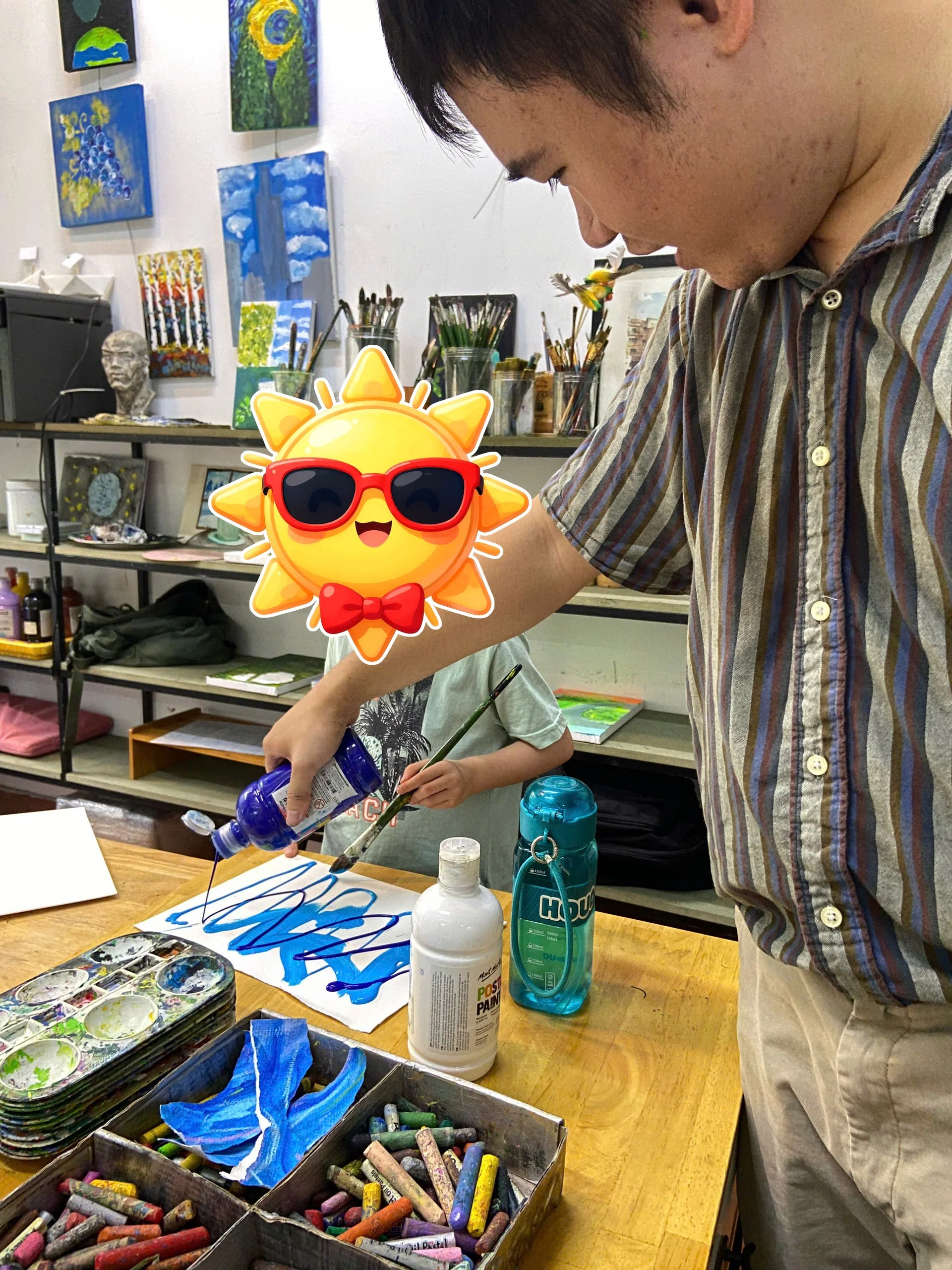
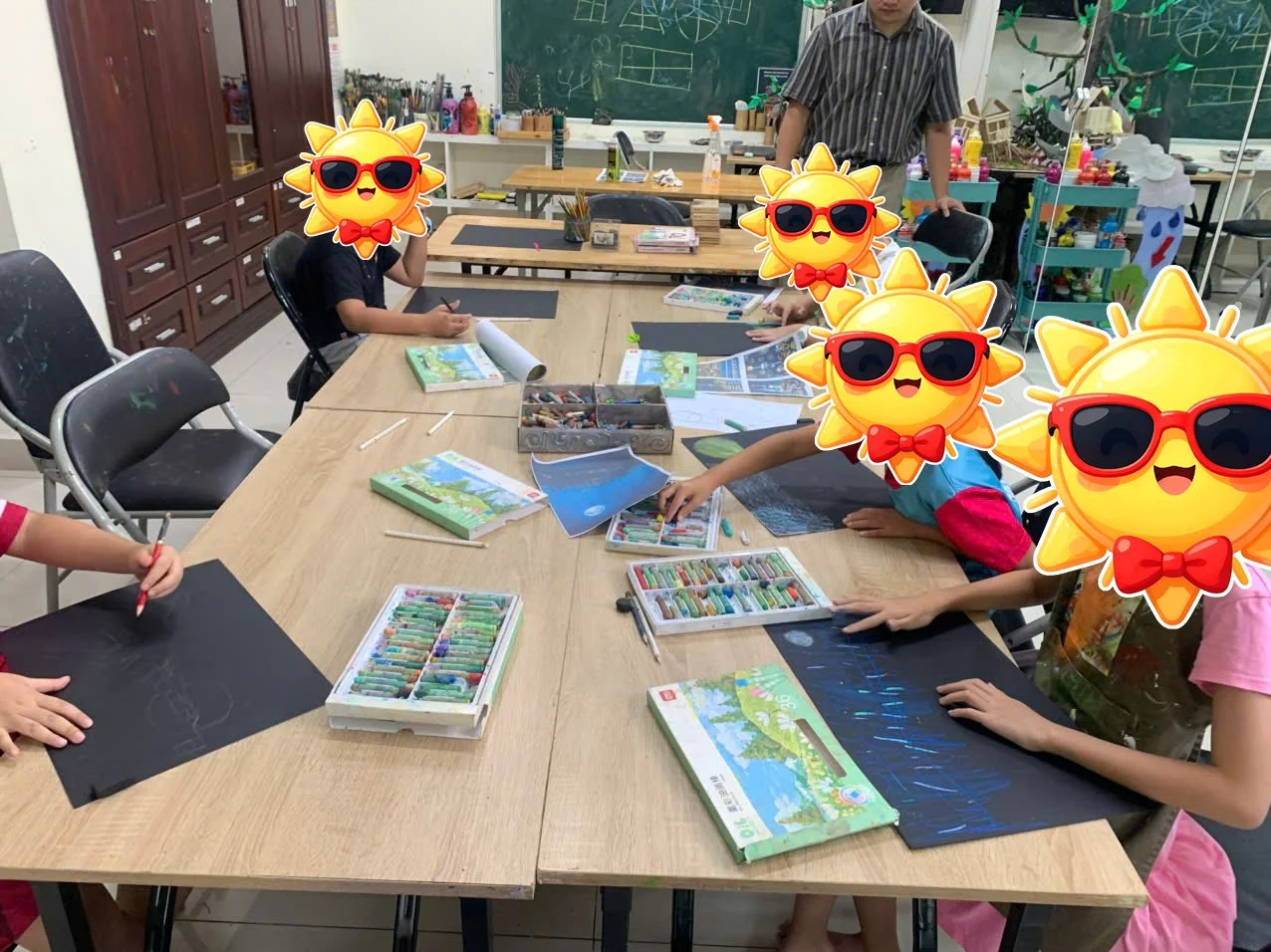
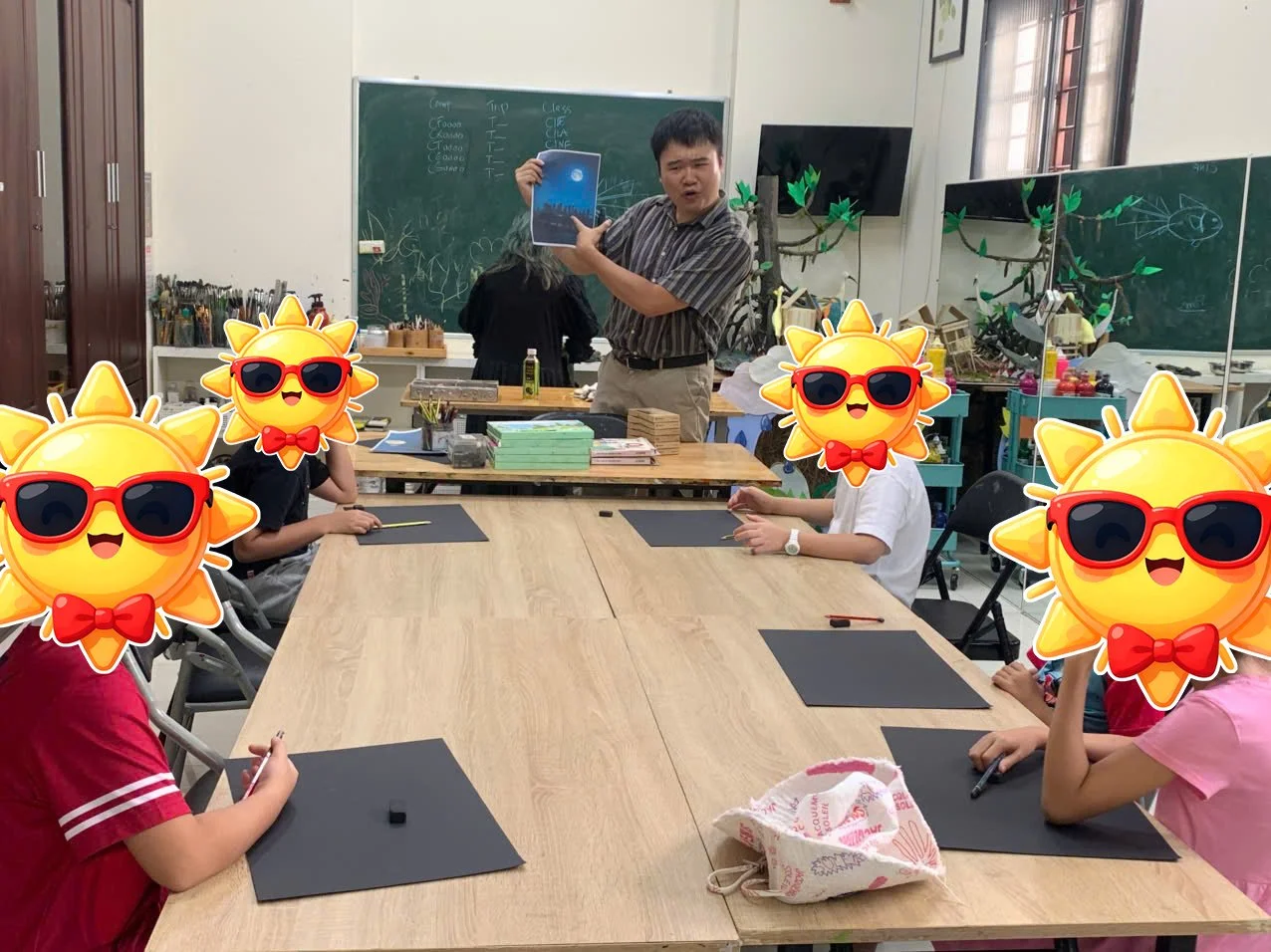
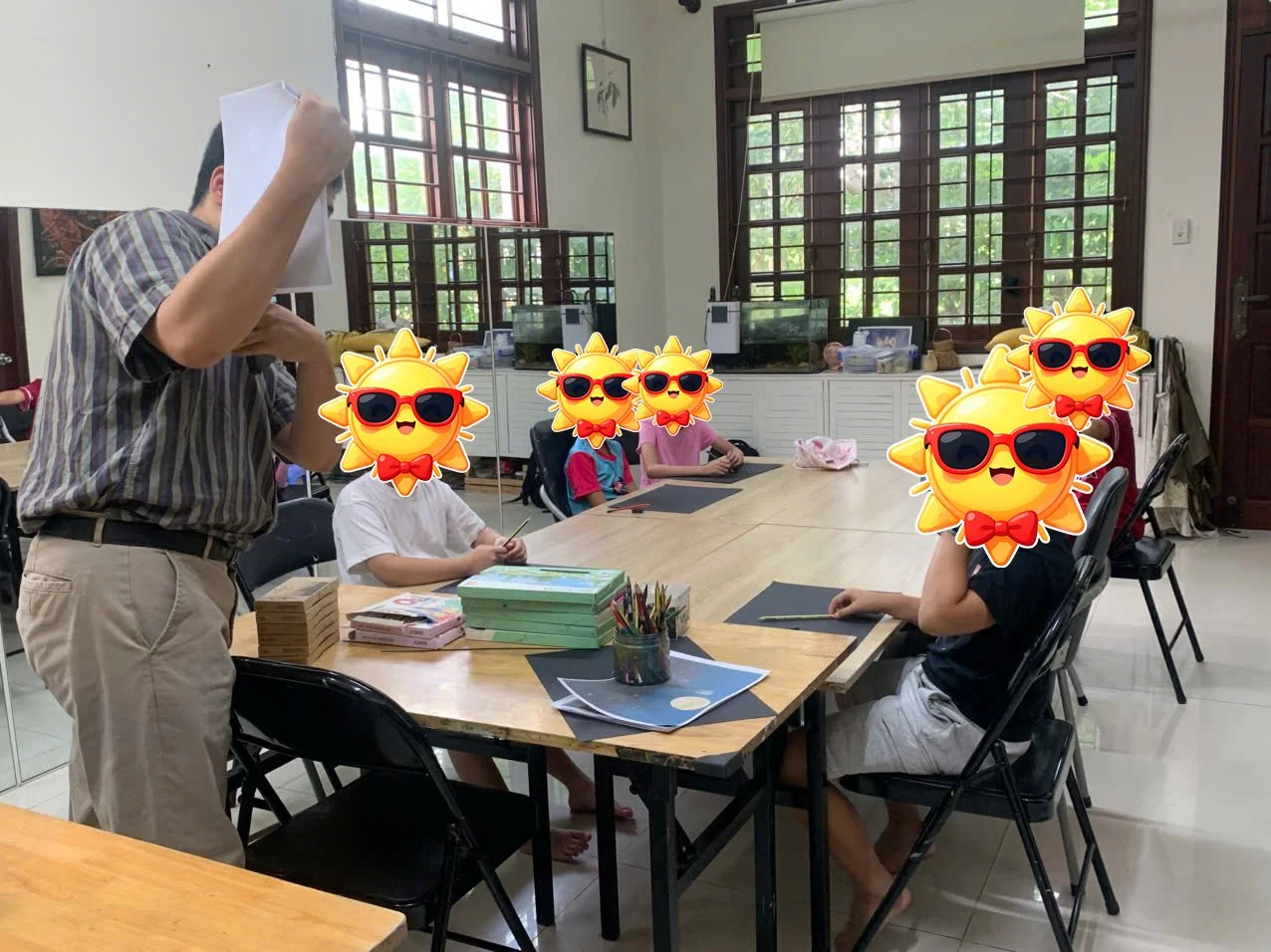

Artwork Gallery
-
![https://soybean-reed-leg3.squarespace.com/config/?frameUrl=%2Fgallery-2]()
1. Cinematic Environment
Wide, atmospheric worlds built to feel like a frame paused from a film: environments that establish mood, scale, and place before a single character enters.
-
![]()
2. Fantasy Creatures
Invented creatures built from observed anatomy. Each design begins with studies of real skeletal and muscular structure, then extrapolates: how a body would move, feed, and survive under a given set of conditions.
-
![]()
3. Abstract Self-Portrait
Self-portraits that trade likeness for feeling, using color, mark, and distortion to record an internal state rather than a face.
-
![]()
4. Futuristic
Imagined places, constructed with the tools of observational drawing: linear perspective, atmospheric depth, and light as a narrative device. Most of these environments ask what a familiar space becomes under pressure — a city, a structure, a landscape, altered by time or circumstance.
-
![]()
5. Abstract Portrait
Portraits of others built from gesture and color rather than precise resemblance, likeness loosened until what remains is presence and mood.
-
![]()
6. Traditional Media
Work made in physical materials handled directly, with no screen between hand and surface.
-
![]()
7. Painterly Work
Loose, gestural paintings that keep the hand visible, where the brushwork itself, not a tidy finish, is the point.








Pedagogical Framework
-
![]()
1. Teaching Root
An eleventh-grade art class was the first place my own way of seeing was treated as the point, not a problem. I turned down a studio career to build that experience for children.
-
![]()
2. Teaching Philosophy
I teach art as a way of making meaning others can receive, and to make an image for someone is to imagine a mind that isn't your own. Every student is already a visual thinker.
-
![]()
3. Teaching Methodology
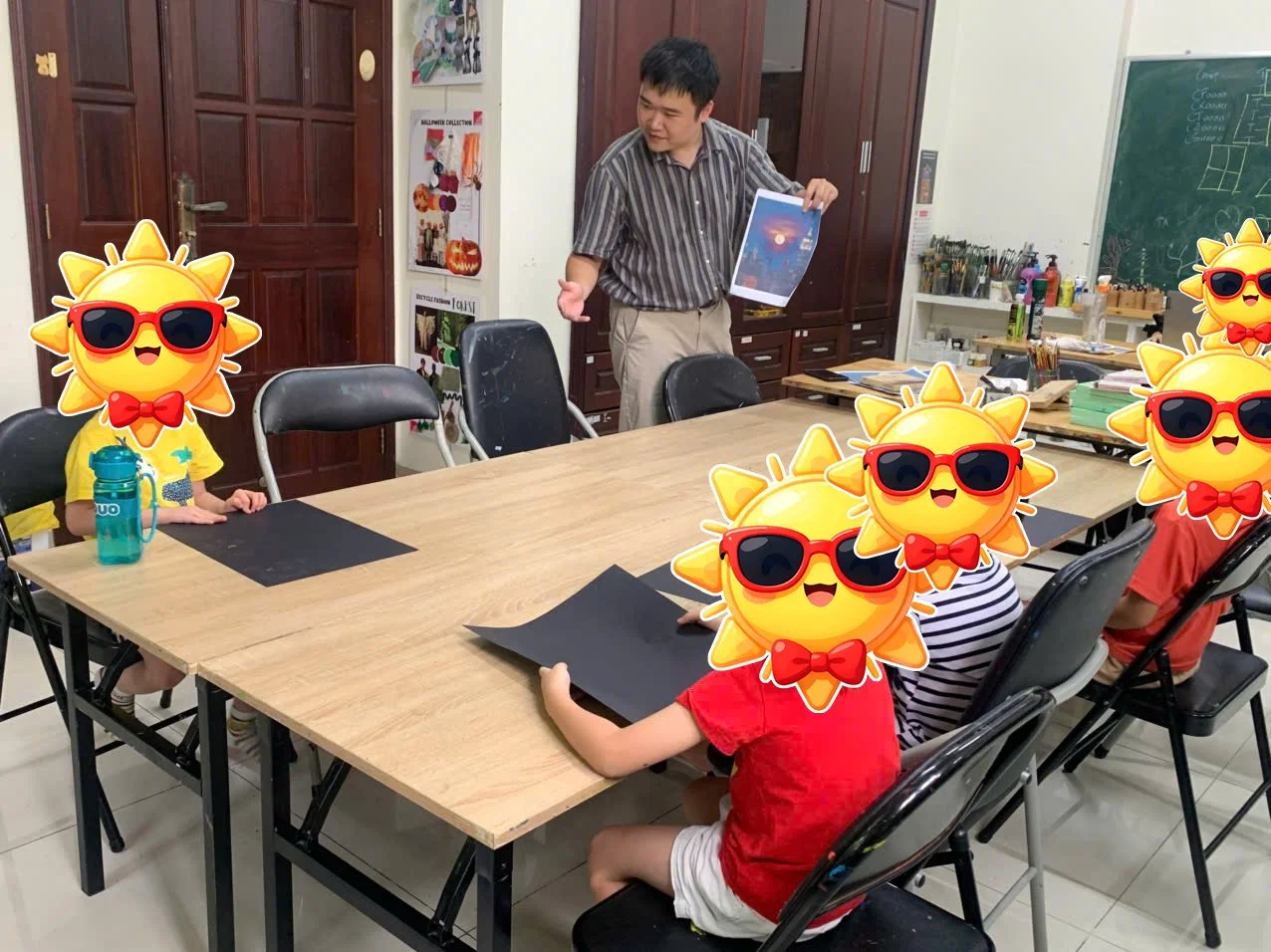
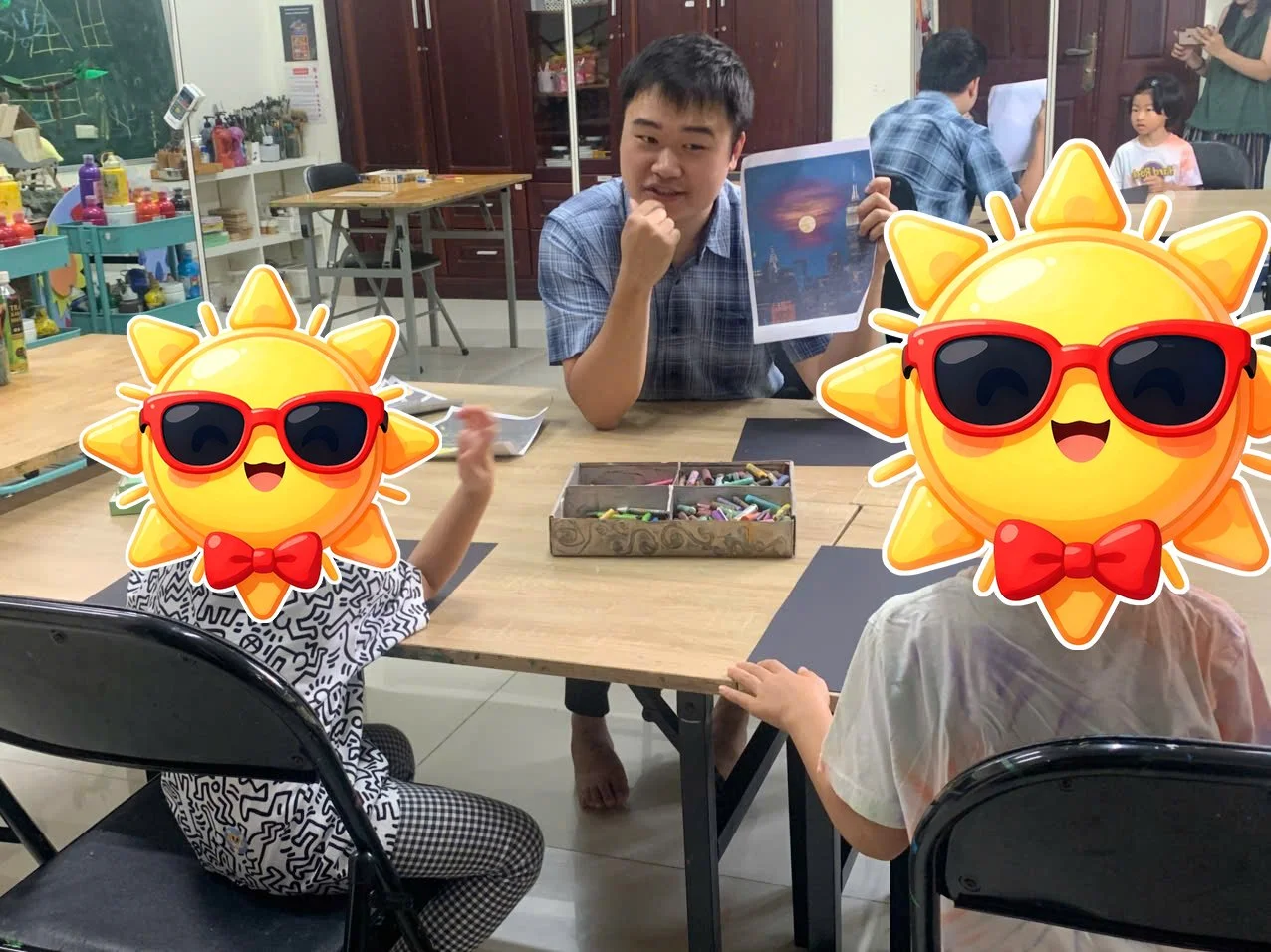
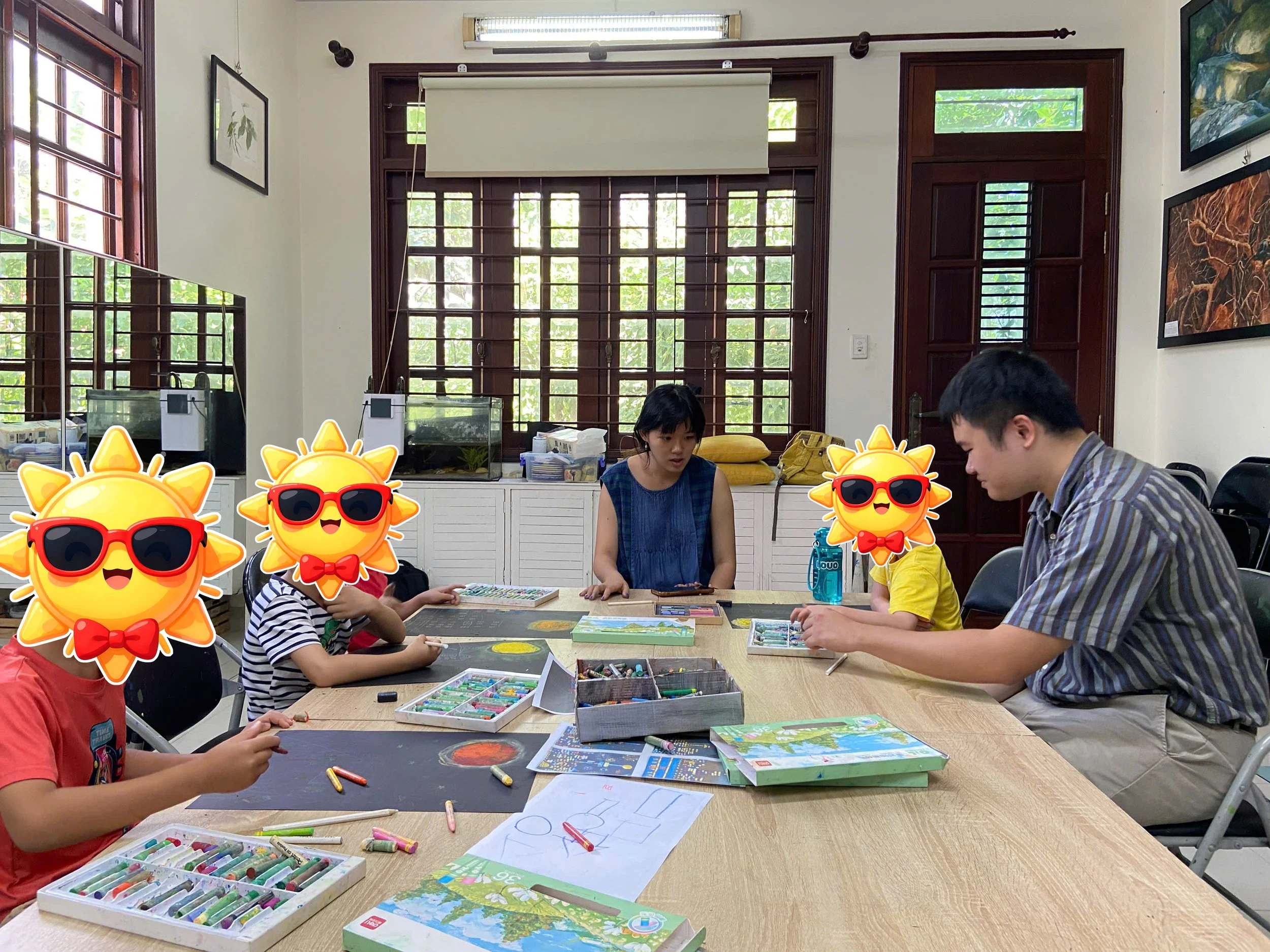
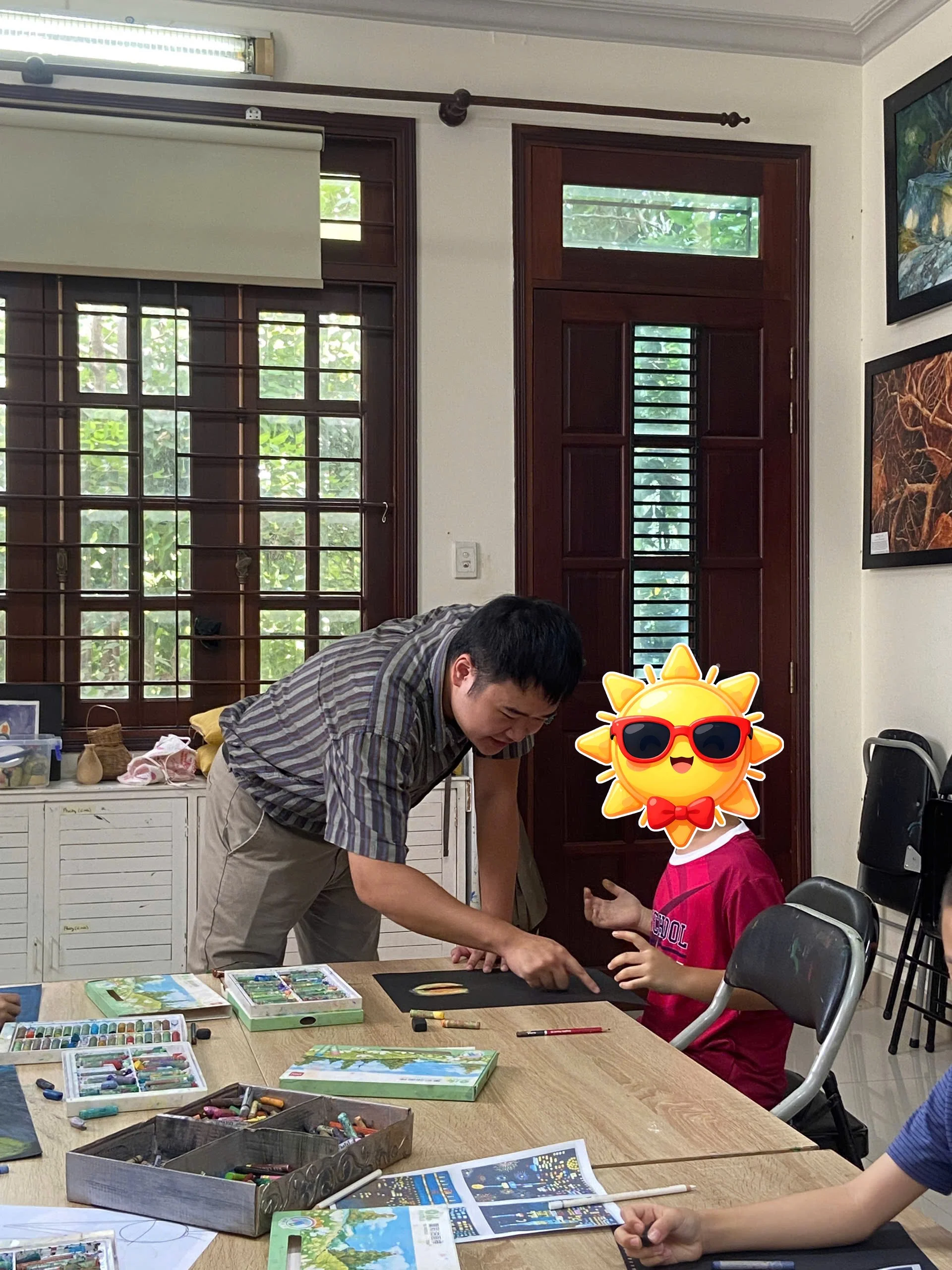
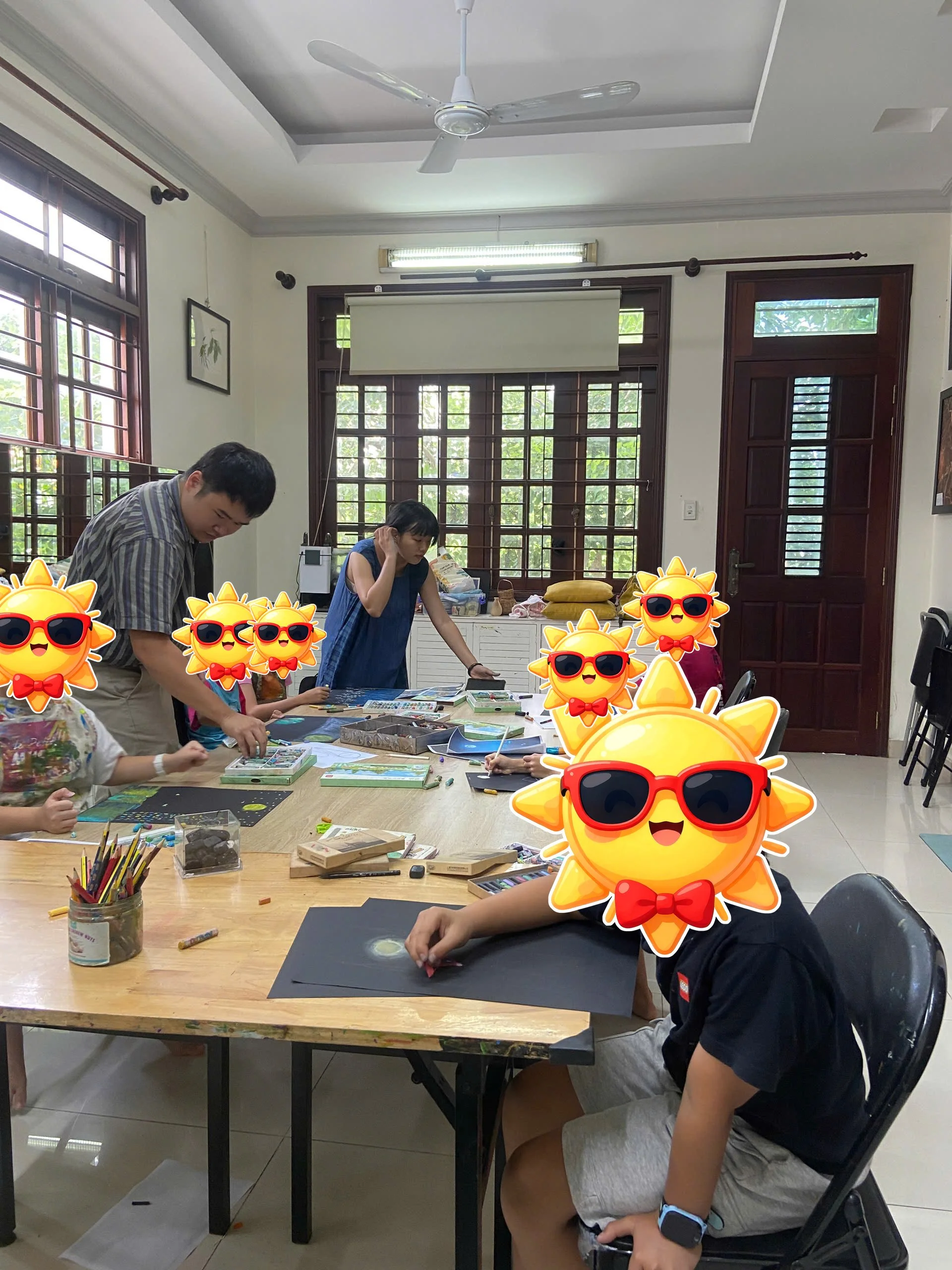
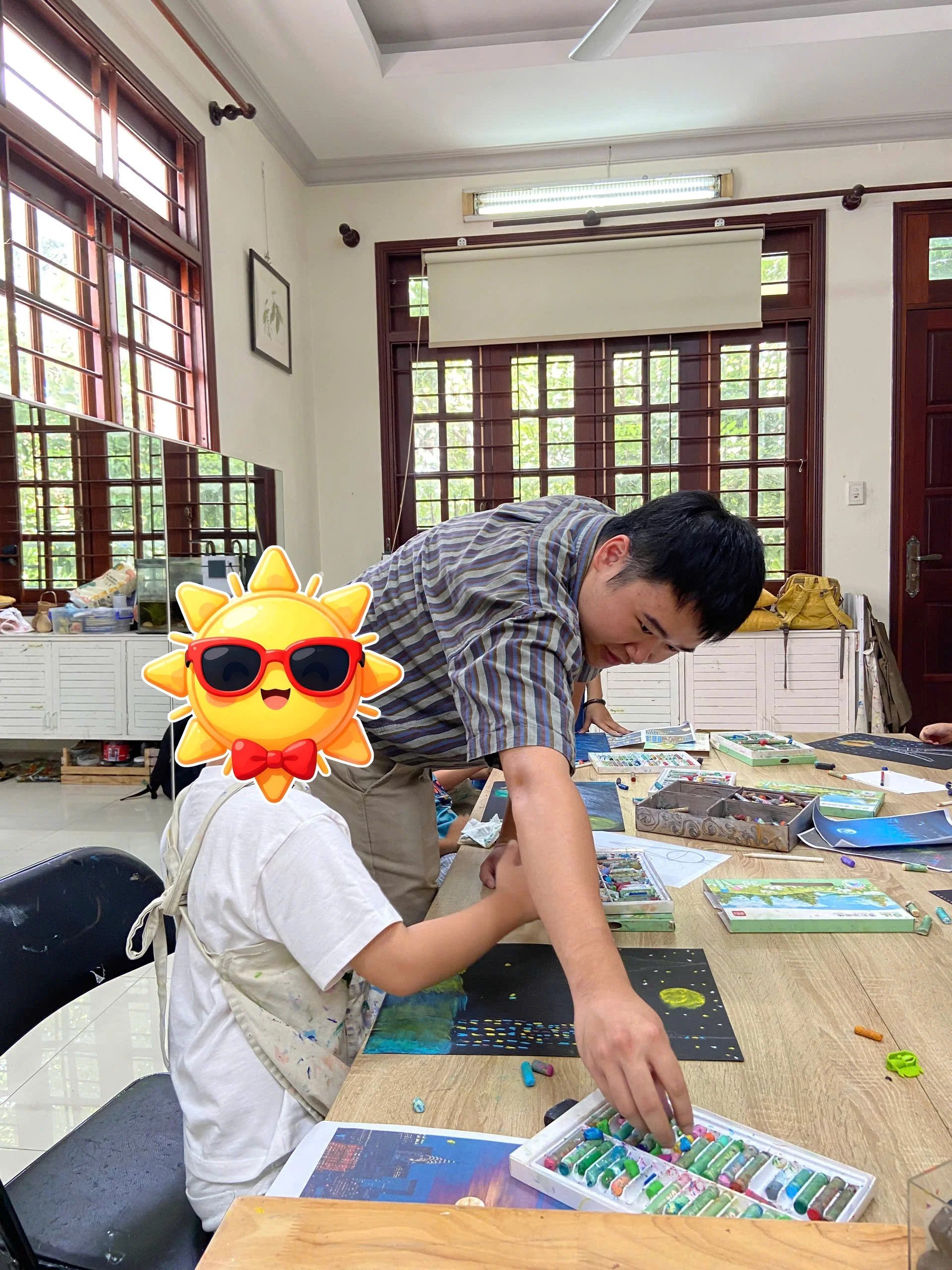
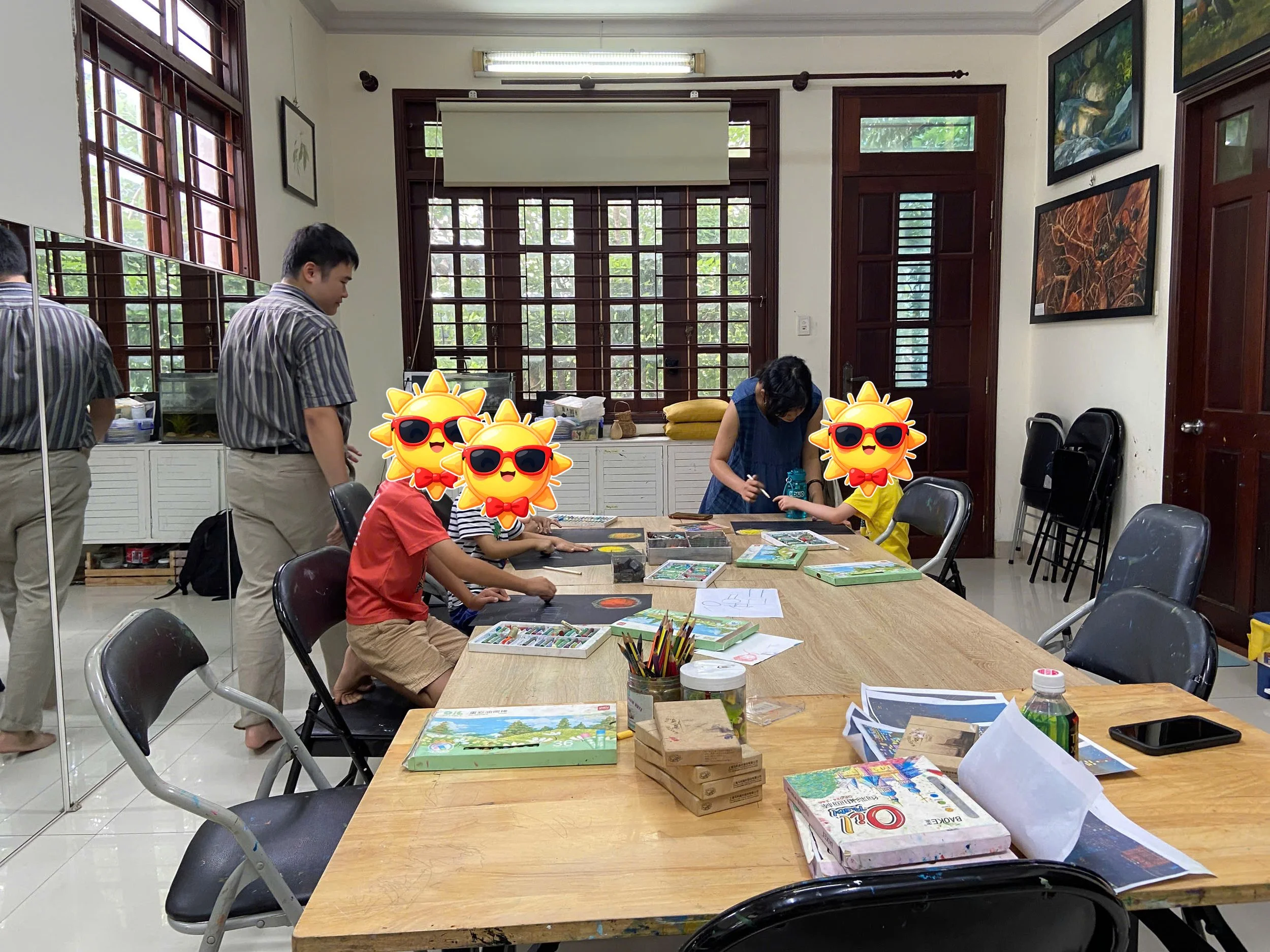
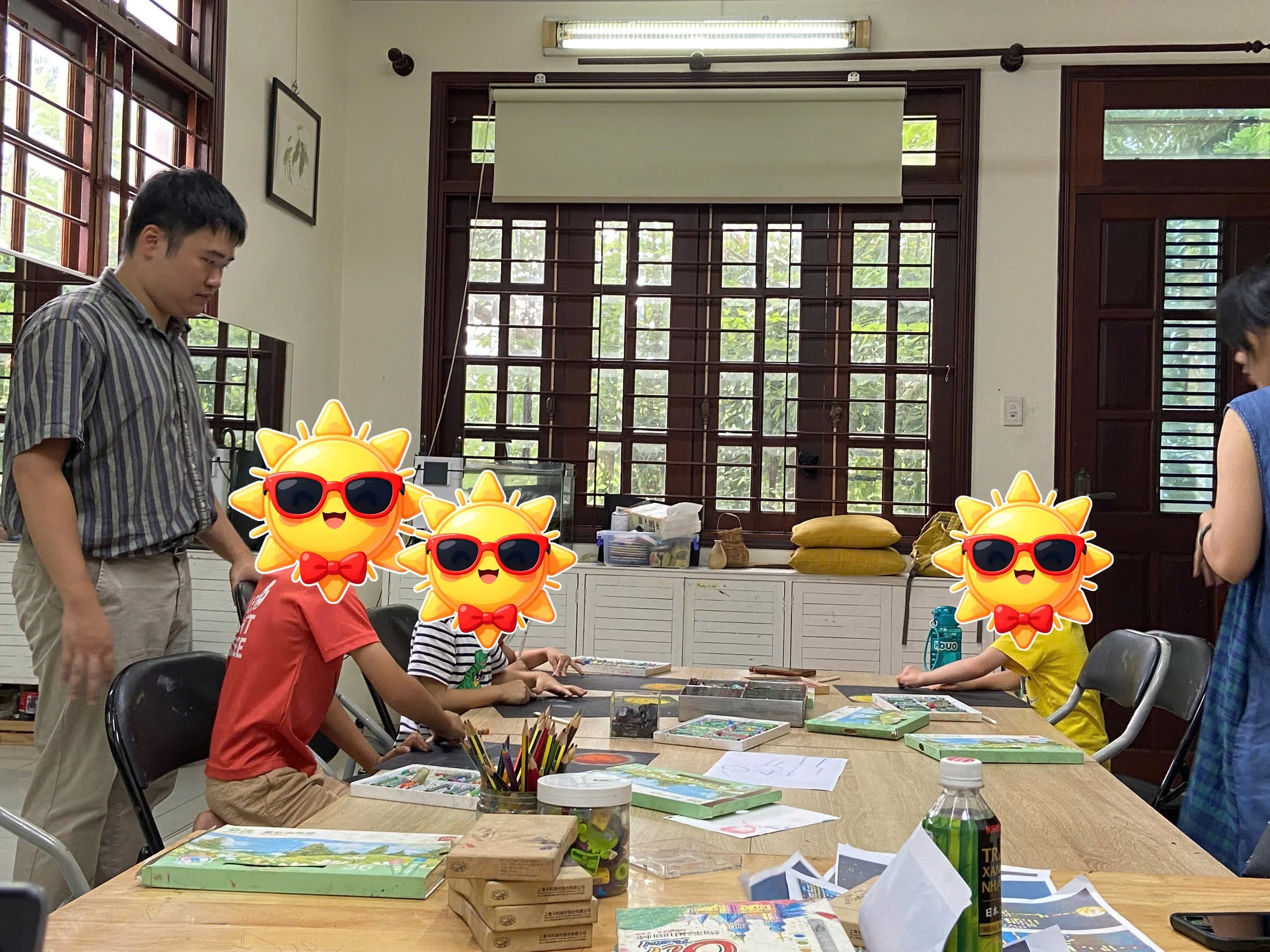
My classroom runs as a studio of inquiry: students pursue questions worth answering, make structured choices about how, and leave a visible record of their thinking. The freedom is real, and so is the rigor that holds it up.




State of Michigan Teaching Certificate
Endorsement: Visual Arts Education (LQ), K-12
-
![]()
1. Education Foundations: History and Philosophy of Education
-
![]()
2. Human Development, Creativity and Visual Learning
-
![]()
3. Elementary Art Teaching: Methods, Materials and Content Area Literacy
-
![]()
4. Secondary Art Teaching: Methods, Materials and Content Area Literacy
-
![]()
5. Reading & Language Arts Methods
-
![]()
6. Service Learning Project
-
![]()
7. Direct Student Teaching
-
![]()
8. Professional Seminar









Professional Background
-
![]()
1. Resume (PDF Download)
A complete overview of my education, credentials, and teaching experience.
-
![]()
2. Letters of Recommendation
Referral from teachers and mentors and managers who know my work.
-
![]()
3. Professional Development
CELTA Certificate - Cambridge University Press & Assessment for Teaching English as a Foreign Language and more.




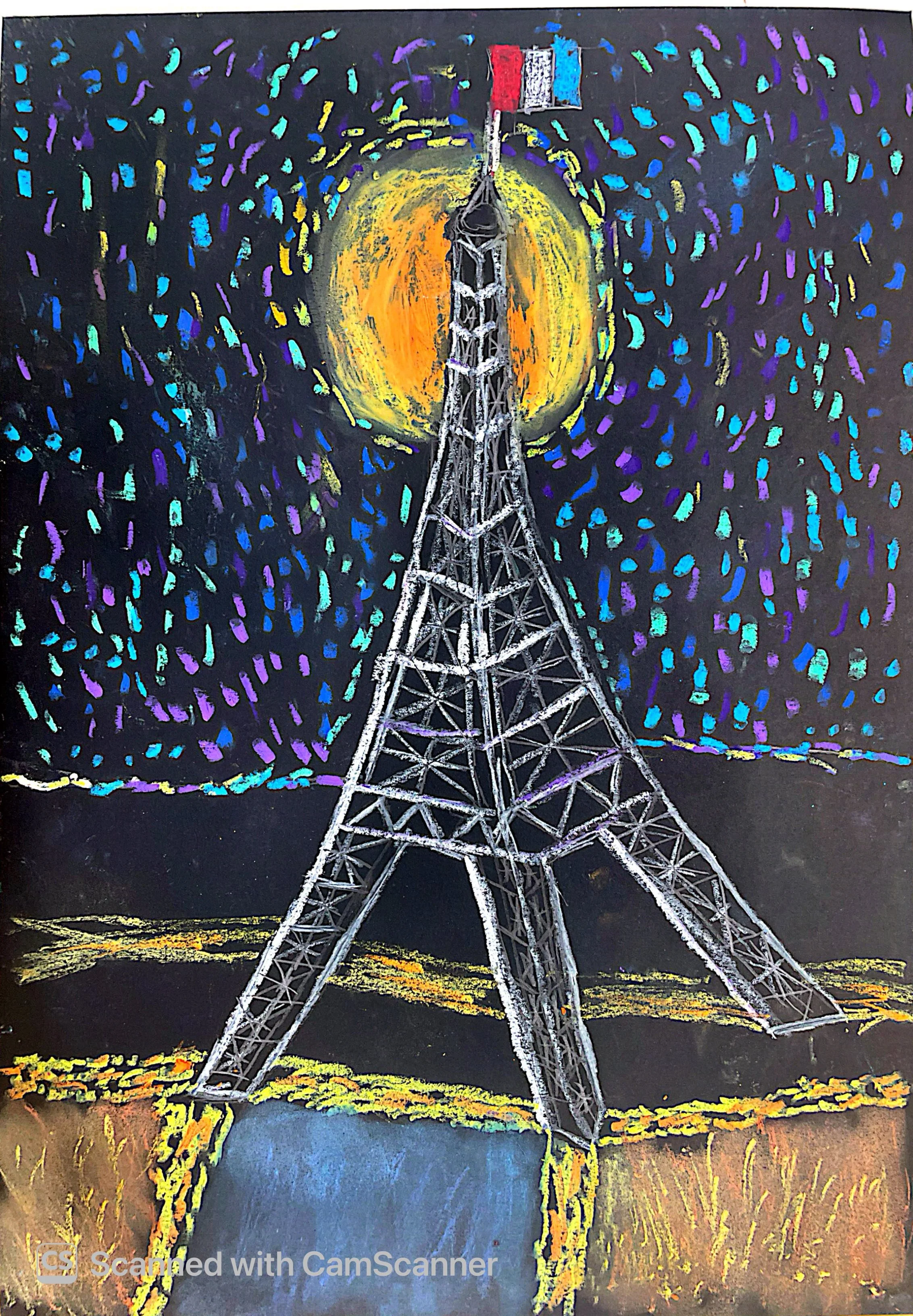
My Students’ Artwork
Drawing | Painting | Craft

Frequently Asked Questions
-
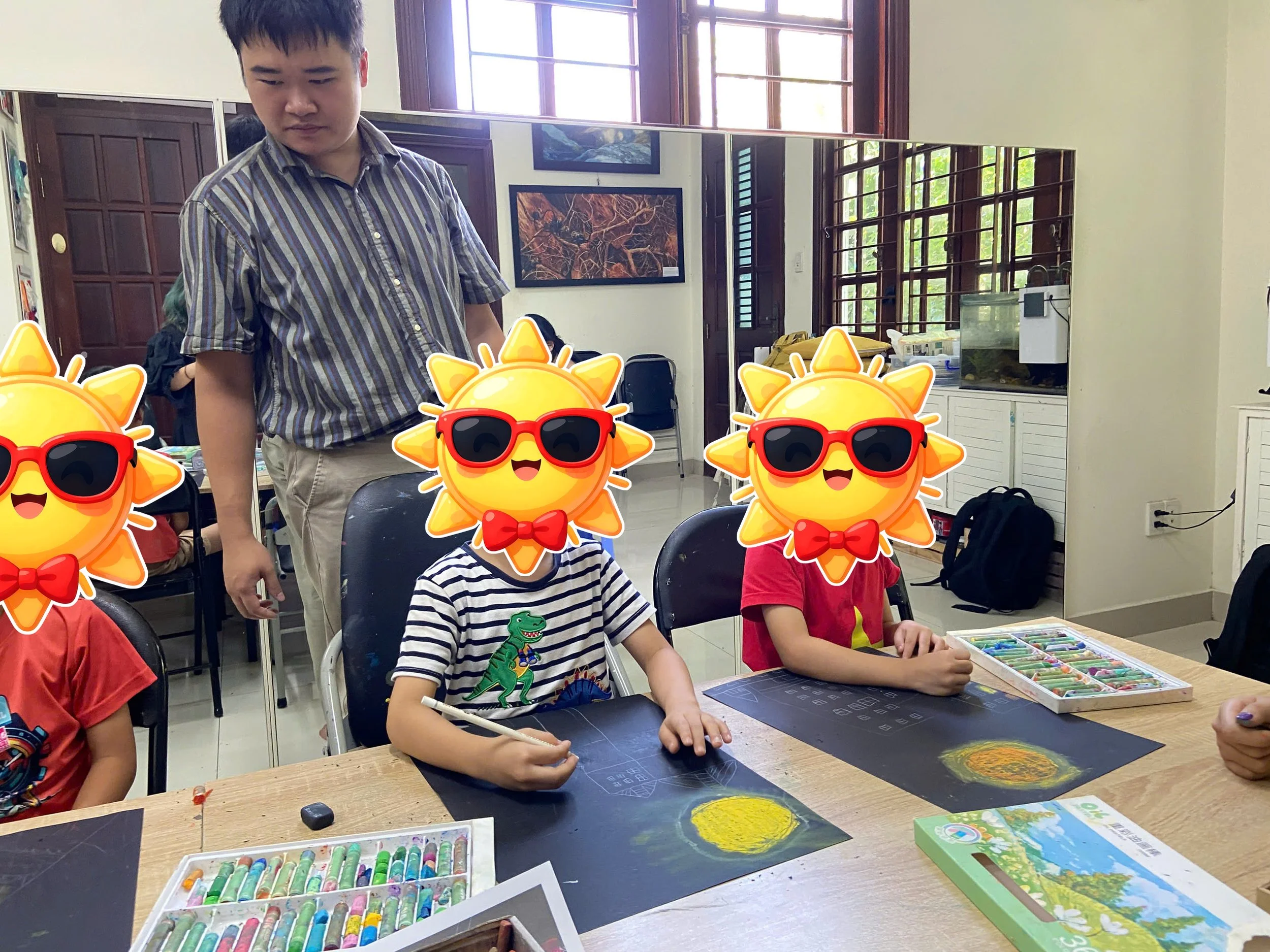
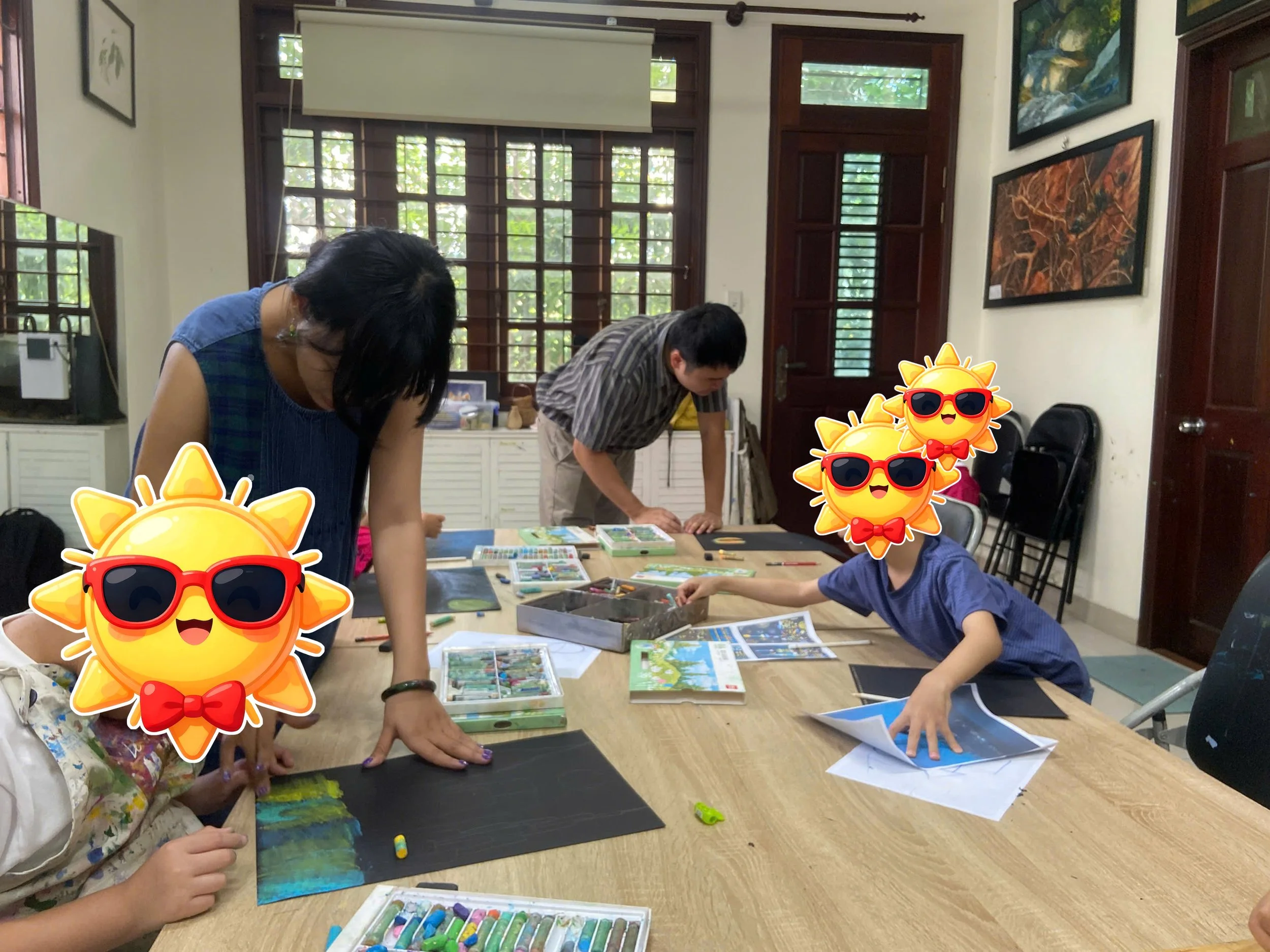
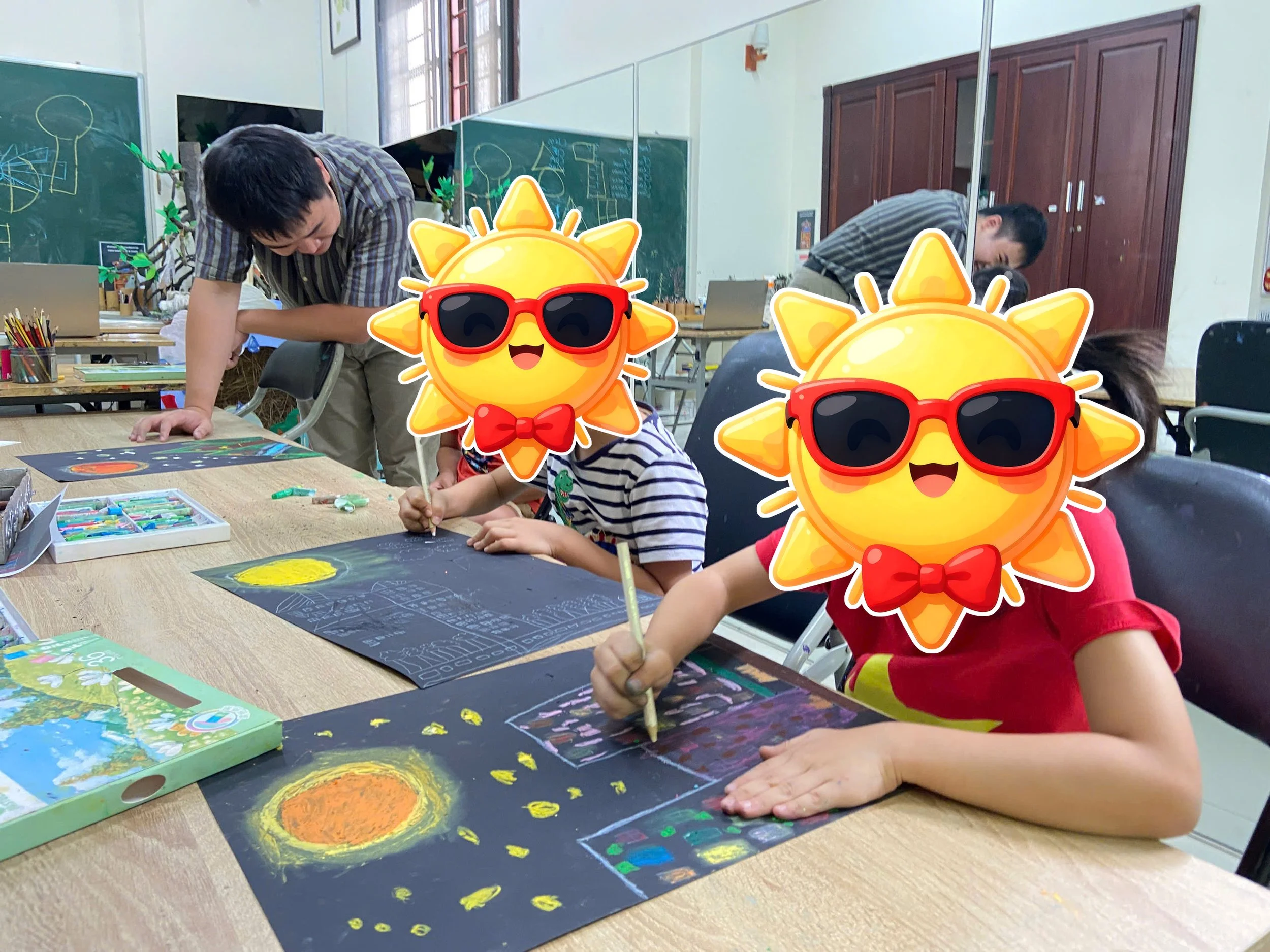
Both my Michigan licensure and my CELTA required supervised, assessed teaching, so I've planned and run real classrooms, not only studied how to. On top of that, I bring current training in the standards schools are using right now and the openness to grow with a program rather than settle into one.
-
Choice is the delivery, not the standard. Every unit begins from a specific concept and skill I want students to build, and I scale how much choice they get to where they are, tight and guided when a skill is new, open once they're ready to push it. Students document their process and are assessed against clear, standards-aligned criteria, so freedom never means lowered expectations.
-
I assess the thinking, not only the finished object. The backbone is a process portfolio, or visual journal, where students record their decisions across a unit alongside the work itself. I grade formatively in one-on-one conversations while they work, and summatively against single-point rubrics tied to IB criteria or the US National Core Arts Standards, rubrics that name the target without capping what a student can reach for.
-
A studio runs on routines and safety before anything else: explicit systems for materials, tools, cleanup, and movement, taught from day one. Beyond that, engagement is my best management tool, students working on something they have a real stake in are far less likely to check out. I hold firm, consistent expectations, and I treat the room's safety as non-negotiable.
-
This is where my Cambridge CELTA matters. It trained me to teach learners who don't share my language to confirm that instructions and concepts have landed before students invest time, to demonstrate rather than only explain, and to build multiple entry points into a task. Visual art is already forgiving for multilingual classrooms, and I'm specifically trained to make it more so.
-
Yes. I built my methodology around the IB's inquiry-driven model and the US National Core Arts Standards' four artistic processes, and I plan with backward design, which both systems speak.
-
Yes, I maintain an independent fine art practice alongside teaching. It matters to me: I can speak about making from the inside because I'm still doing it, and students take craft more seriously from someone who's in the work, not just describing it.

Get in Touch

The Next Room
I'm looking for a school that treats the art room as a place where students are recognized, not only trained. If that's what you're building, I'd like to talk.